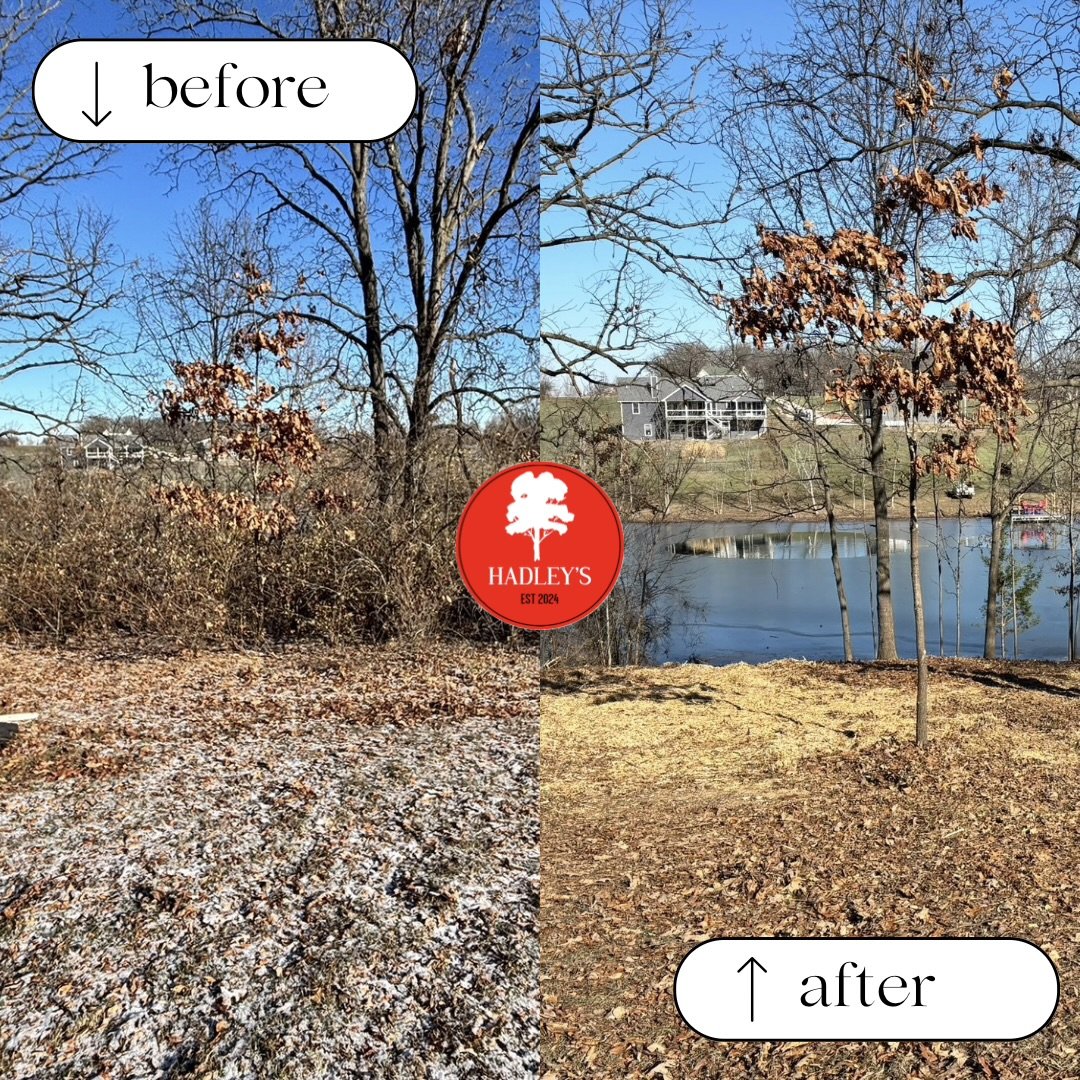
Land Clearing and Property Improvement in Lincoln County, Missouri
Turn Overgrown Ground into Usable Property
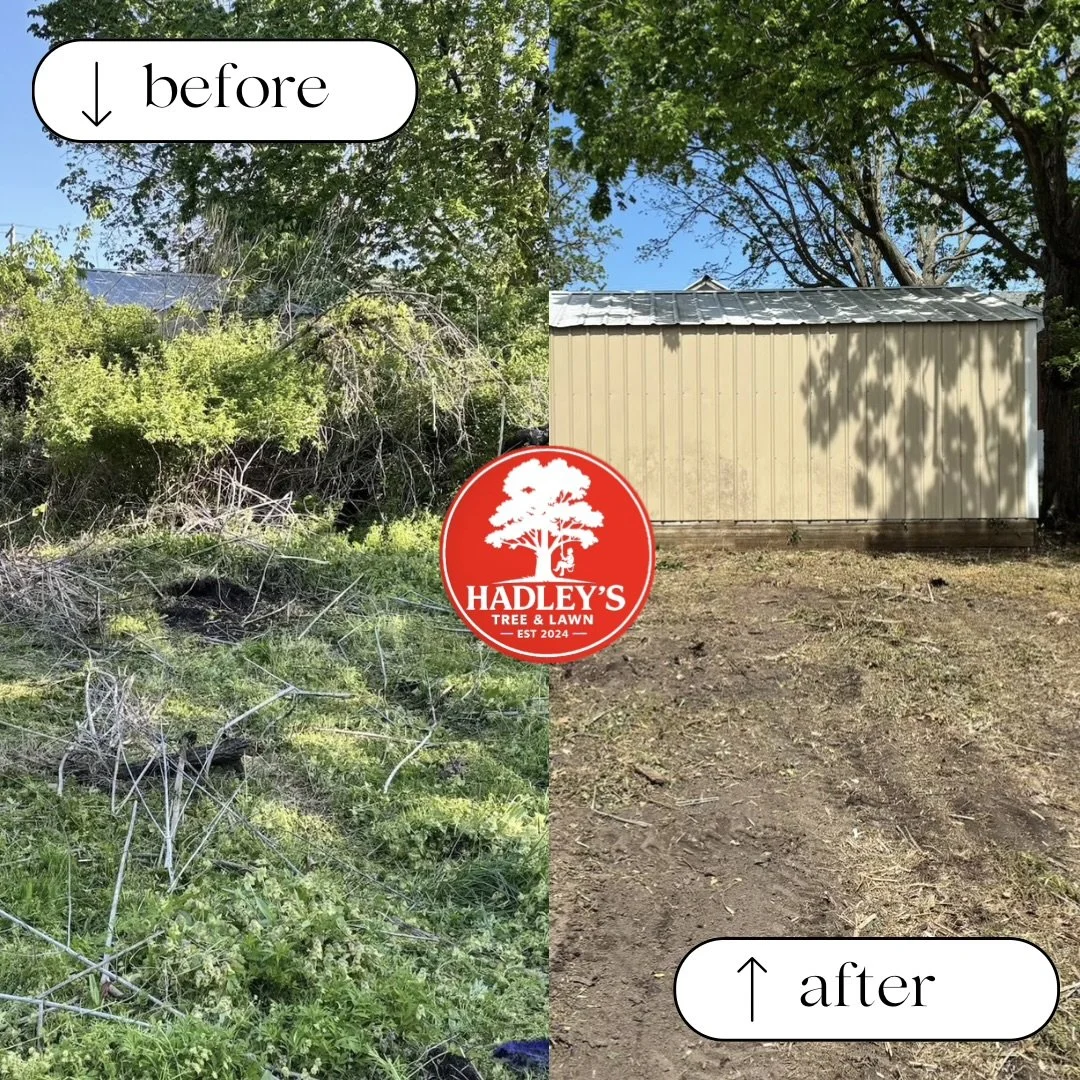
Hadley’s Tree & Lawn provides land clearing and property improvement for homeowners and rural landowners throughout Lincoln County, Missouri. Our insured father-and-son team clears brush, honeysuckle, saplings and unwanted trees to reopen wooded acreage, restore fence lines and trails, and reclaim neglected properties.
We evaluate the vegetation, terrain, equipment access and your plans for the ground before recommending a clearing method. Your written estimate explains the areas included, which trees will remain, and how brush, logs and stumps will be handled.
Call 636-383-3053 or Text 636-383-3053
Clearing Overgrown Land Across Lincoln County
From overgrown lots in Troy and Moscow Mills to wooded homesites around Winfield, Old Monroe, Foley and Elsberry, we help property owners restore access and make their land easier to maintain.
Projects may include brush and undergrowth clearing, selective tree removal, stump grinding and debris cleanup. Tell us whether you want a walkable wooded area, an open fence row, a usable trail or ground that can be maintained by mowing. We’ll explain the work needed to reach that result.
Is Overgrowth Taking Over Your Property?
Land does not have to be completely wooded to become unusable.
Dense underbrush can slowly eliminate access, hide fences, reduce visibility and make routine property maintenance difficult. A section of ground that was once walkable or mowable may eventually become overwhelmed by honeysuckle, thorny brush, vines, saplings and fallen material.
Many landowners contact us because:
They can no longer walk through part of the property.
Honeysuckle and underbrush have taken over the woods.
An old trail or access lane has disappeared.
They need to reach a pond, field, fence or rear section of the property.
A fence line is buried beneath vines, brush and small trees.
They want to improve hunting or recreational acreage.
They need space for a driveway, building, pasture or future project.
They want to save desirable trees while removing the mess underneath.
A vacant, inherited or neglected property needs to be reclaimed.
The area has become too difficult to maintain by hand.
Our goal is not simply to cut vegetation. It is to understand what you want the property to become and develop a practical plan for getting it there.
Brush and Underbrush Clearing
We clear thick brush, briars, vines, saplings, fallen limbs and woody vegetation from overgrown yards, wooded edges, rural acreage and neglected sections of property.
Depending on the property and project scope, vegetation may be cut, mulched, piled, hauled away or left in an agreed location. The estimate will clearly explain how brush, logs, and other material will be handled.
Brush clearing may be appropriate for:
Overgrown backyards
Wooded property edges
Rural homesites
Vacant lots
Recreational properties
Hunting ground
Fence rows
Pond access
Areas beneath mature trees
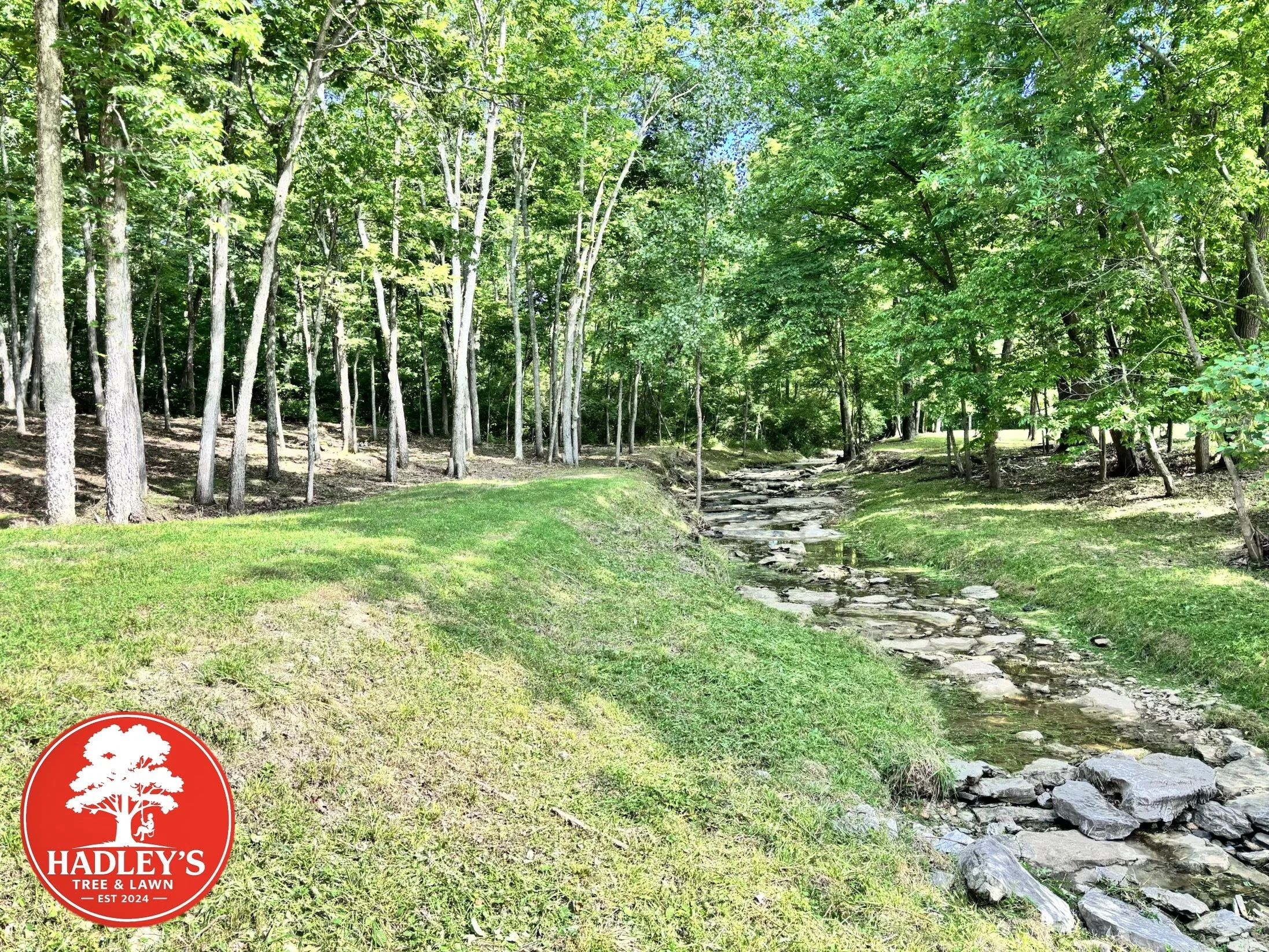
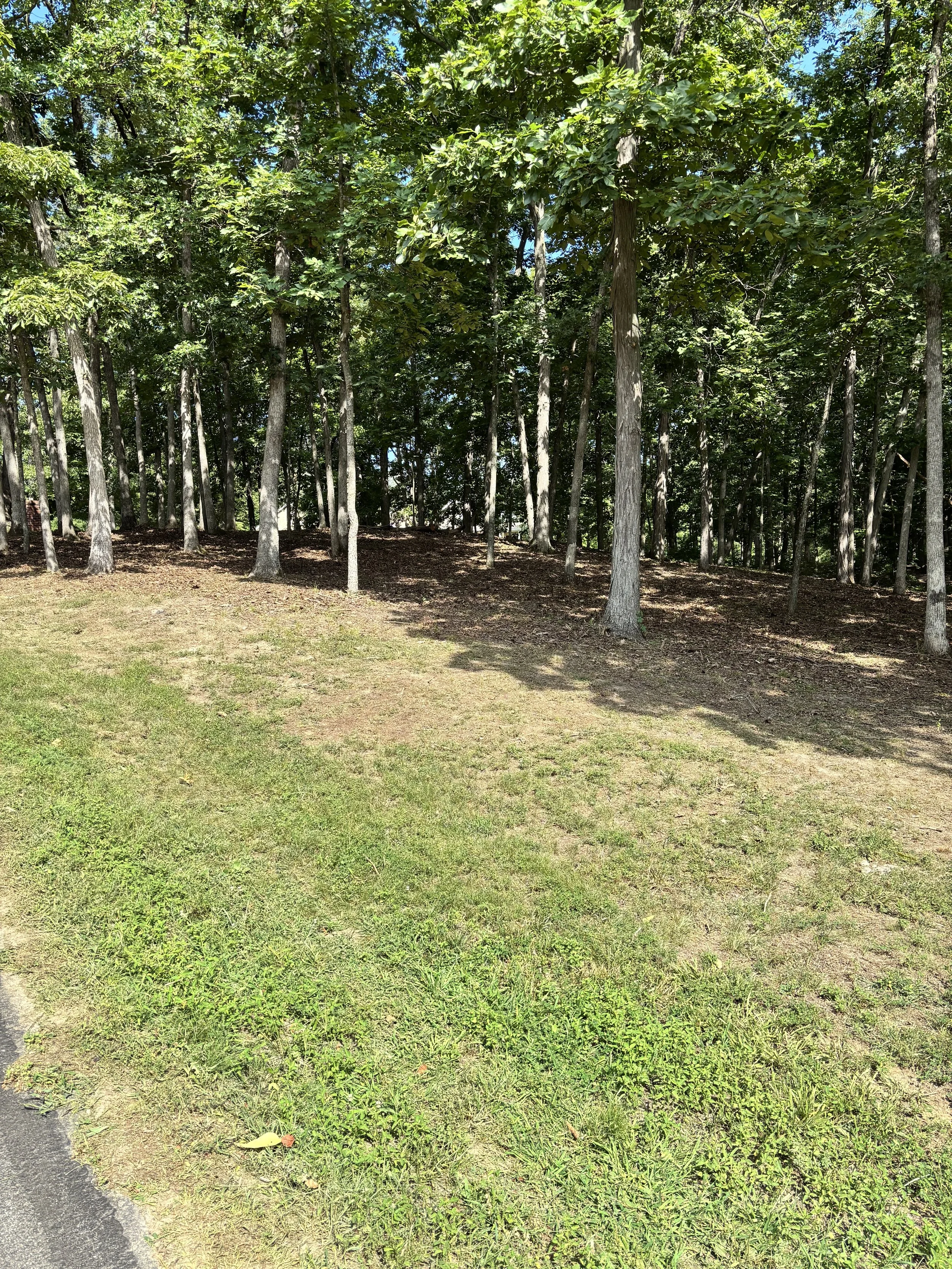
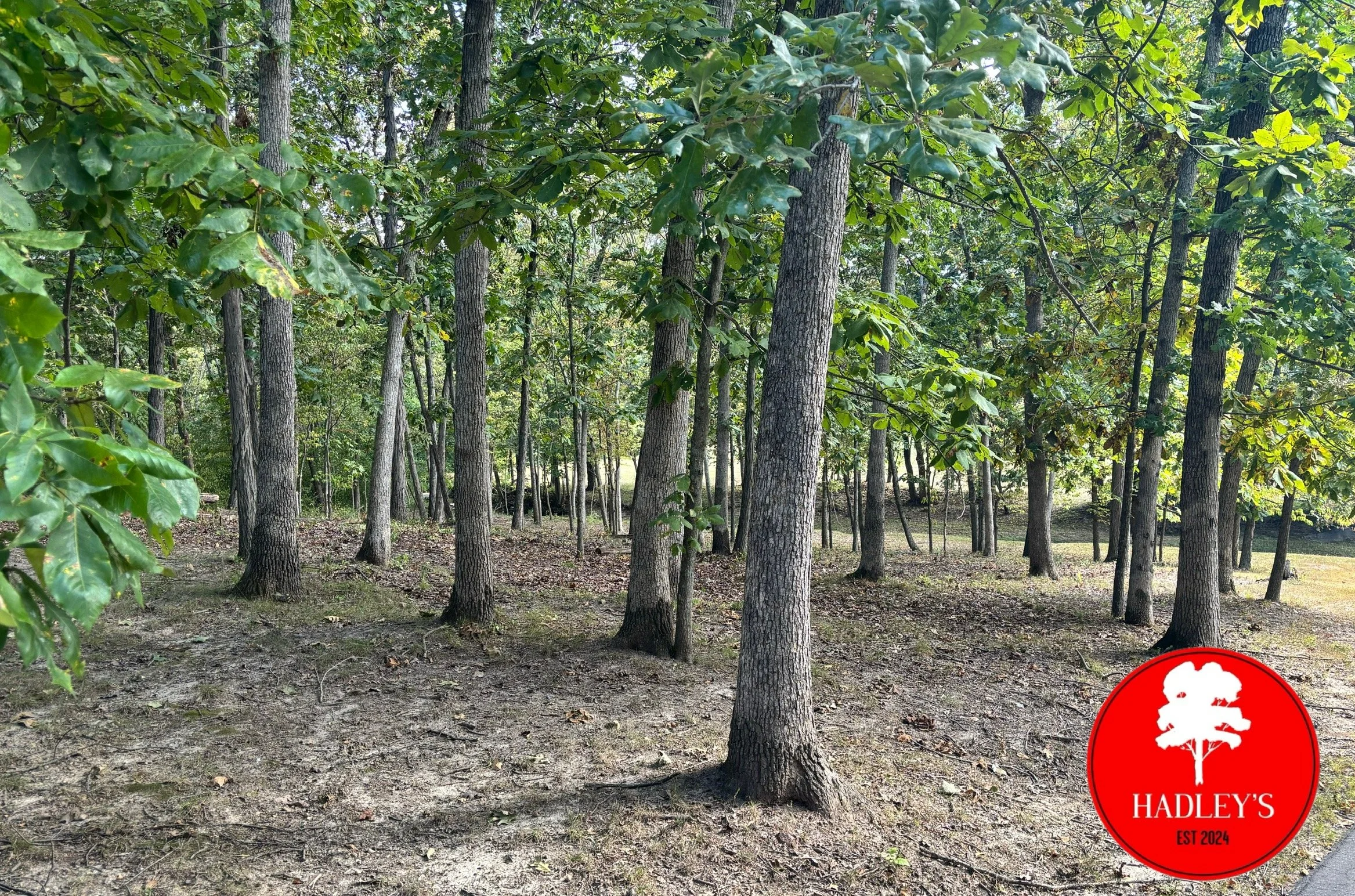
Wooded-Lot and Understory Clearing
A wooded property does not always need to be completely cleared.
Selective wooded-lot clearing removes unwanted underbrush, invasive vegetation, saplings, damaged trees and overcrowded growth while preserving healthy trees whenever the condition of the site allows.
This can create a cleaner, more open appearance while improving:
Walking access
Visibility
Air movement
Property maintenance
Hunting access
Recreational use
Access to mature trees
The ability to inspect and manage the property
Before work begins, we discuss which trees and vegetation should remain and which areas should be opened.
Forestry Mulching
Forestry mulching uses specialized equipment to cut and process brush, vines, saplings and other woody vegetation directly on the property.
Instead of producing large piles of loose brush, much of the processed vegetation is distributed over the cleared area as a layer of ground material. This can provide an efficient way to create a visible transformation across densely overgrown ground.
Forestry mulching may be considered for:
Dense honeysuckle
Woody underbrush
Saplings and small trees
Overgrown wooded acreage
Hunting properties
Trail systems
Fence-line access
Reclaiming unusable sections of land
Preparing property for continued maintenance
Forestry mulching is not automatically the best method for every property. Large trees, heavy logs, buried debris, extensive stump removal, finished grading or certain construction projects may require additional equipment or a combination of services.
Hadley’s evaluates each property individually and selects equipment based on the acreage, vegetation, terrain, access, and desired results. Forestry mulching projects are scheduled according to the equipment and operating conditions required for the property.
Honeysuckle and Invasive Brush Clearing
Bush honeysuckle spreads aggressively through wooded areas and property edges. It can create a dense wall of vegetation that restricts access and competes with more desirable plants.
We can mechanically cut or mulch honeysuckle and similar woody growth to reopen the property and make future management more practical.
Mechanical clearing provides an immediate reduction in above-ground growth, but it should not be confused with permanent eradication. Honeysuckle and other invasive plants may resprout from remaining roots or return from seed.
Long-term management may require:
Follow-up cutting or mowing
Targeted herbicide treatment by the property owner or a qualified applicator
Periodic forestry mulching
Continued brush maintenance
Establishing desirable vegetation
Monitoring cleared areas for new growth
We explain realistic expectations before starting the project so you understand both the initial transformation and the likely maintenance afterward.
Brush Hogging and Field Reclamation
Brush hogging can be an efficient way to knock down tall grass, weeds and manageable woody growth in open, accessible areas.
It is commonly used for:
Neglected fields
Rural lots
Pasture edges
Overgrown open acreage
Future lawn or maintenance areas
Recreational properties
Field-access routes
Brush hogging works best where equipment can safely travel and where the area is reasonably free from large stumps, wire, hidden debris, deep washouts and heavy timber.
We evaluate ground conditions before recommending this method.
Fence-Line and Property-Line Clearing
Overgrown fence lines can conceal damaged fencing, restrict equipment access and make repairs or replacement much harder.
We clear vines, brush, fallen limbs and unwanted woody growth from:
Existing fence rows
Property boundaries
Gates
Pasture edges
Survey lines
Future fencing areas
Drive and field entrances
The clearing width and finish depend on how the area will be used. A fence-repair project may require a different result than a simple visibility or maintenance lane.
Trail and Access Clearing
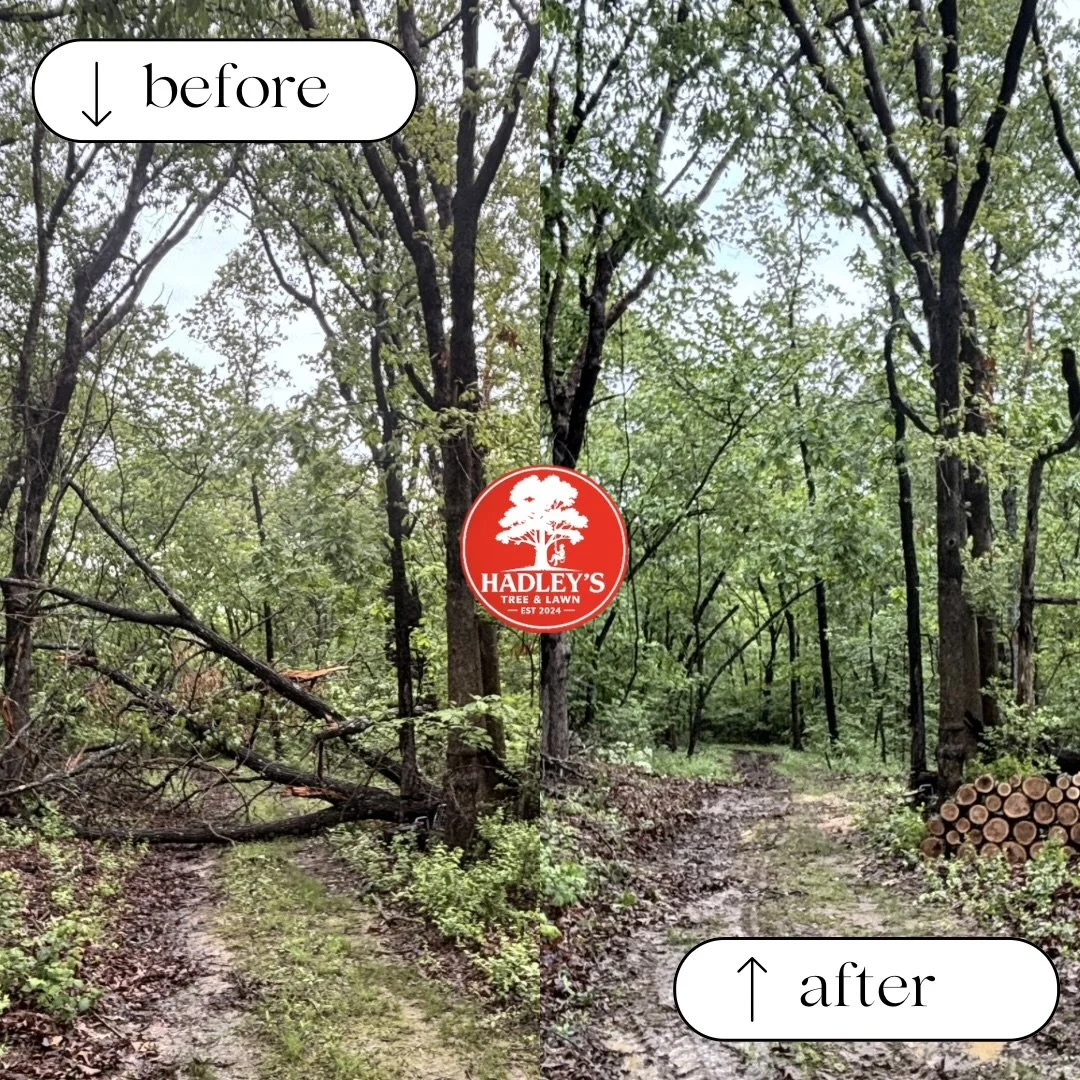
We create new trails and reopen old routes through overgrown properties.
Trail-clearing projects may support:
ATV and UTV access
Hunting access
Walking paths
Farm and equipment access
Property inspection
Pond access
Recreational acreage
Firewood access
Ongoing land maintenance
Good trail work involves more than cutting a straight path through the woods. We consider the terrain, drainage, slopes, turns, equipment width, destination and long-term maintenance needs.
Whenever practical, trails are routed to avoid unnecessary disturbance, excessively steep grades and problem areas that are likely to remain wet.
Hunting and Recreational Property Improvement
Overgrown vegetation can make it difficult to move through hunting ground, reach stands, recover game or maintain food plots and field edges.
We help improve recreational properties through:
Trail creation
Existing-trail restoration
Shooting-lane clearing
Stand-access routes
Fence-row clearing
Underbrush reduction
Field-edge cleanup
Access to ponds and creeks
Selective clearing around mature trees
The goal is not necessarily to clear everything. Strategic clearing can improve access and usability while retaining the cover, mature timber and natural character that make the property valuable.
Small-Tree and Selective Tree Removal
Many land-clearing projects involve trees that are too large for ordinary brush equipment or that must be removed carefully near structures, fences, desirable trees or other obstacles.
Because Hadley’s also performs professional tree removal, we can incorporate selective tree work into a larger property-clearing project.
Options may include:
Removal of damaged or undesirable trees
Cutting trees into manageable sections
Logs left on the property
Logs and debris hauled away
Trees felled and staged for the property owner
The exact scope is customized around the property and budget.
Stump Grinding
Clearing brush and trees does not automatically remove existing stumps.
Stump grinding can be added when stumps interfere with:
Mowing
Trail construction
Vehicle access
Future landscaping
Lawn expansion
Building areas
Fence installation
Continued property maintenance
Grinding depth, cleanup and material handling will be specified in the estimate. Stump grinding generally removes the visible stump and root flare below grade; it does not excavate the entire underground root system.
What Do You Want the Property to Become?
The best clearing method depends on what you plan to do after the vegetation is removed.
We can help you develop a scope for projects such as:
Reclaiming part of a backyard
Making wooded acreage walkable
Opening access to a pond or creek
Creating ATV or UTV trails
Improving hunting access
Exposing and repairing a fence line
Preparing for new fencing
Recovering an old field
Creating a future mowing area
Preparing access for a driveway
Opening space for a pole barn or outbuilding
Improving visibility around a home
Cleaning an inherited or vacant property
Preparing land for future improvement
Making the property easier to sell or maintain
You do not need to know which machine or clearing method the project requires. Start by telling us what you want to accomplish.
Choosing the Right Clearing Method
Land clearing is not a one-machine-fits-every-project service.
A tractor and brush hog may work well in an open field but poorly in dense woods. Forestry mulching may efficiently process thick undergrowth but may not remove large stumps or produce construction-ready grade. Hand cutting may provide more control around desirable trees but take longer across larger acreage.
A project may involve one method or a combination of:
Manual cutting
Chainsaw work
Brush hogging
Forestry mulching
Tree removal
Stump grinding
Grapple and tractor work
Debris piling
Hauling
Limited grading or access improvement
Our recommendation is based on the actual property—not on forcing every project into the same service.
Our Land Clearing Process
1. Tell Us About the Property
Send the project address, photos, approximate area to be cleared and your plans for the ground. Include gates, slopes or other access concerns. Larger or more complicated projects generally require an on-site visit.
2. Review the Clearing Plan
We evaluate the vegetation, terrain and equipment access, then discuss clearing boundaries, trees to preserve and the finished condition you want.
3. Receive a Written Estimate
Your estimate describes the work included, how brush and logs will be handled, whether stump grinding or hauling is included, and any separately priced options.
4. Complete the Work
We carry out the agreed clearing plan and explain any follow-up maintenance needed to keep the property usable.
What Happens to the Brush and Trees?
Material handling can significantly affect the cost and final appearance of a land-clearing project.
Available options depend on the site and may include:
Vegetation mulched in place
Brush piled in a designated location
Logs cut and left on-site
Logs staged for firewood
Brush and logs hauled away
Material moved to an existing burn-pile area
Wood chips left for use on the property
Limited cleanup around the cleared area
Not every option is practical on every site. Your estimate will clearly state what happens to the brush, trees, logs and grindings produced during the project.
Will the Brush Grow Back?
Clearing immediately improves access and usability, but most land still requires future management.
Brush and invasive vegetation may return through:
Resprouting roots
Existing seed in the soil
Seeds spread by wildlife
Growth from adjacent untreated areas
Natural succession after the ground is opened
The amount of regrowth depends on the plant species, season, clearing method, sunlight and follow-up maintenance.
Possible maintenance plans include:
Routine mowing
Annual or periodic brush hogging
Follow-up mulching
Selective cutting
Targeted invasive-species treatment
Establishing grass or desirable groundcover
We do not promise that one clearing visit permanently eliminates every unwanted plant. We provide an honest assessment of what the work will accomplish and what continued maintenance may be needed.
How Much Does Land Clearing Cost in Lincoln County?
Land-clearing prices vary considerably because acreage alone does not determine the workload.
Pricing is affected by:
Total acreage
Vegetation density
Tree and sapling size
Terrain
Wet or unstable ground
Equipment access
Fences, buildings and utilities
Hidden debris
Whether large trees are included
Stump grinding
Hauling and disposal
The desired finish
The clearing method required
A lightly overgrown open acre and a densely wooded acre containing honeysuckle, vines, fallen timber and larger trees are entirely different projects.
For that reason, Hadley’s provides project-specific estimates after reviewing the property and the requested scope.
Why Choose Hadley’s Tree & Lawn?
Local Lincoln County Service
Hadley’s is based in Winfield, Missouri, and serves property owners throughout Lincoln County.
Father-and-Son Owned
You work directly with the people evaluating, quoting and completing the project.
Tree and Clearing Capabilities
Many clearing companies focus only on mowing or mulching. Our tree-service experience allows us to incorporate selective tree removal, storm debris cleanup and stump grinding when those services are needed.
Practical Project Options
We can discuss different scopes based on the property and budget, including material left on-site, limited hauling, selective clearing or phased work.
Clear Expectations
We explain what is included, what remains afterward and what future maintenance may be required.
Insured
Hadley’s Tree & Lawn carries insurance for the services we provide.
Land Clearing Service Area
Hadley’s Tree & Lawn provides land-clearing and property-improvement estimates throughout:
Winfield
Troy
Moscow Mills
Old Monroe
Foley
Elsberry
Eolia
Clarksville
Annada
Louisiana
Surrounding Lincoln & Pike County communities
We primarily serve Lincoln County and nearby Pike County properties, with additional rural projects considered depending on the project size, location and schedule.
Related Property Services
Need a more specific service?
Brush Removal and Brush Hogging
For overgrown yards, fence rows, wooded edges and smaller brush-clearing projects.
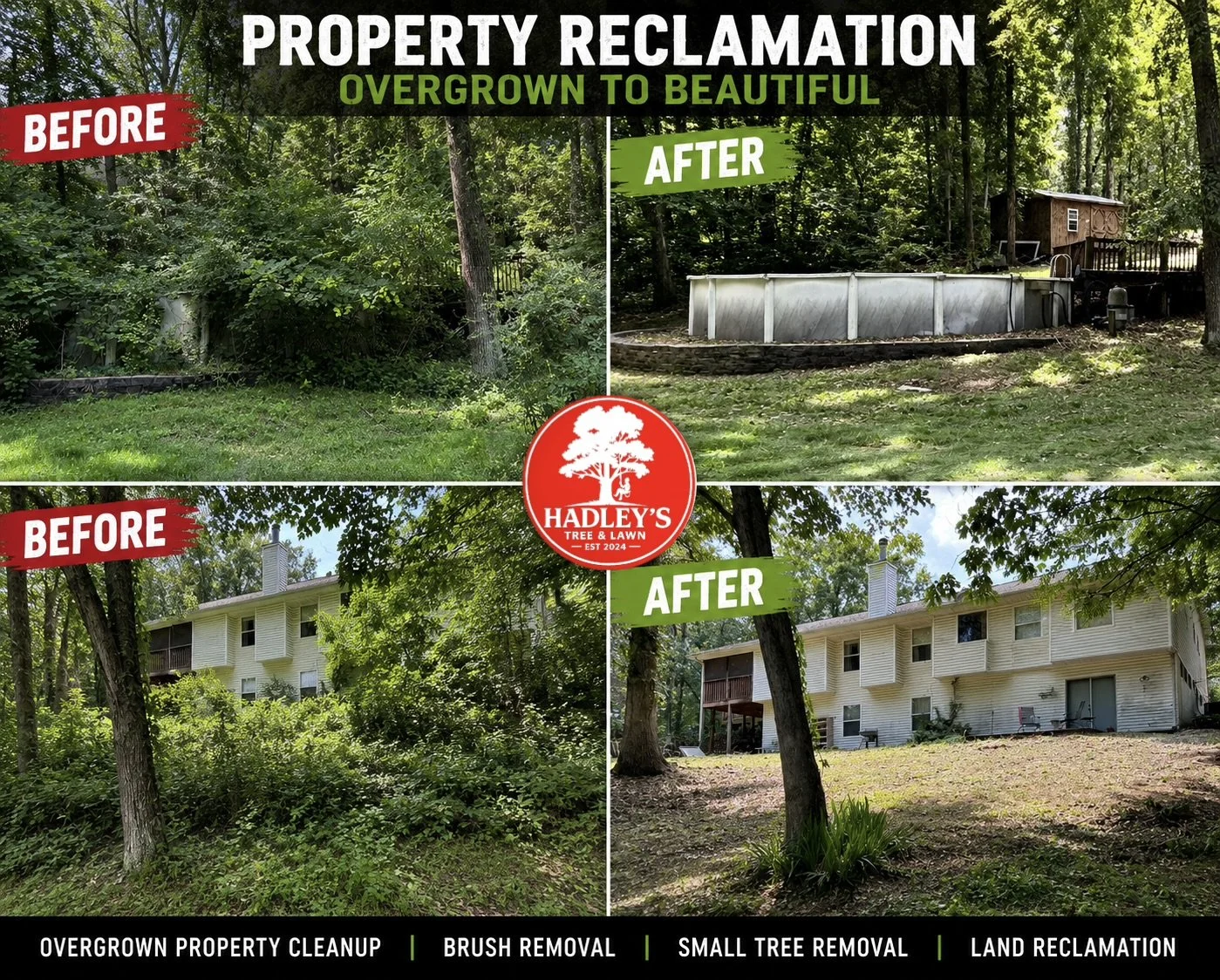
Property Reclamation
For neglected, inherited or long-unmanaged properties requiring multiple cleanup services.
Overgrown Property Cleanup
For residential lots, vacant homesites and properties affected by years of unmanaged growth.
Trail Clearing and Hunting Property Improvement
For ATV routes, walking trails, hunting access and recreational acreage.
Tree Removal
For dead, hazardous, unwanted or larger trees that cannot be handled as ordinary brush.
Stump Grinding
For stumps that interfere with mowing, access, landscaping or future property use.
Request a Land-Clearing Estimate
Have an overgrown section of property you want to use again? Send us the address, a few current photos and the approximate area you want cleared—not just the total property acreage.
Tell us what you want to accomplish and whether you prefer material left on-site or hauled away. If you’re unsure, we’ll discuss the options and arrange an on-site estimate when needed.
Call or text 636-383-3053, or use our estimate form to send your project details and photos.
Frequently Asked Questions
What is the difference between land clearing and forestry mulching?
Land clearing is a broad term that can include brush cutting, forestry mulching, brush hogging, tree removal, stump work, debris handling and site preparation. Forestry mulching is one specific method that processes woody vegetation in place with specialized equipment.
How much does land clearing cost in Lincoln County, Missouri?
Pricing depends on acreage, vegetation density, tree size, terrain, access, material handling and the desired finish. Hadley’s provides project-specific estimates because two properties of the same size can require very different amounts of work.
Can you clear honeysuckle?
Yes. Honeysuckle can be mechanically cut or mulched to immediately reopen overgrown areas. However, established honeysuckle may resprout and usually requires follow-up management for long-term control.
Does forestry mulching remove stumps?
Forestry mulching primarily processes above-ground vegetation. Small growth may be cut close to the ground, but larger existing stumps generally require separate stump grinding or excavation when they must be removed.
Will everything grow back after clearing?
Some regrowth should be expected, especially from invasive plants and established root systems. Routine mowing, brush hogging, follow-up mulching, cutting or targeted treatment may be needed depending on the property.
Can you clear a wooded lot without removing every tree?
Yes. Selective clearing can remove underbrush, invasive growth, small undesirable trees and damaged material while retaining healthy mature trees whenever site conditions allow.
Do you haul away all the brush and logs?
Hauling is available for certain projects, but it is not automatically included. Material may be mulched, piled, staged, left as logs or hauled away depending on the estimate.
Can you create ATV or hunting trails?
Yes. We clear and reopen trails for ATVs, UTVs, hunting access, walking, property maintenance and recreational use.
Do you provide brush hogging?
Yes, when the property is accessible and the vegetation and ground conditions are appropriate for brush-hog equipment.
Can you prepare land for a building or driveway?
We can clear vegetation and improve access as part of early property preparation. Construction-ready grading, excavation, drainage, engineered base work and final site preparation may require additional specialized contractors.
How much land can be cleared in one day?
Production depends on vegetation density, tree size, terrain, access, equipment and the requested finish. Some smaller projects can show a major transformation in one day, while dense acreage or projects involving larger trees and hauling may take several days.
Can you estimate land clearing from photos?
Photos, an address and approximate acreage can help us evaluate the project initially. Larger, wooded or complex projects generally require an on-site visit before final pricing.
Are you currently booking forestry-mulching projects?
Yes. Hadley’s is accepting land-clearing and forestry-mulching inquiries. Equipment and scheduling are arranged according to the size and requirements of each approved project.
What areas do you serve?
Based in Winfield, we serve Troy, Old Monroe, Foley, Moscow Mills, Elsberry, and surrounding Lincoln County communities, plus the Highway 79 corridor into southern Pike County, including Annada, Clarksville. and Louisiana.